
Dental Bridges in Oak Lawn, IL
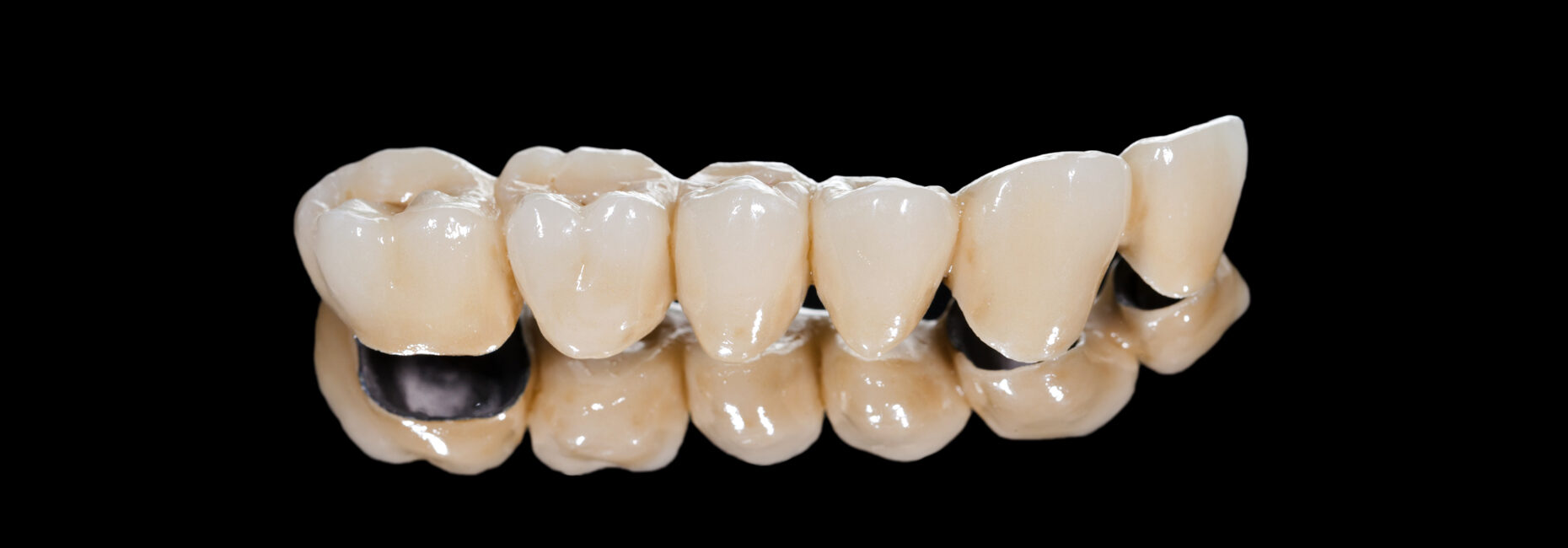
Dental bridges are basically restorations used to replace one or multiple missing teeth by spanning the space between neighboring teeth. They restore missing tooth structure within the bite, helping stabilize chewing function and prevent shifting of adjacent teeth. Understanding what Dental bridges in Oak Lawn, IL are involves recognizing their role in maintaining oral structure when natural teeth are no longer present.
Clinical Situations That May Require Bridges
Dental bridges may be recommended when missing teeth affect bite balance, speech, or chewing efficiency. Tooth loss can lead to uneven pressure on remaining teeth and progressive shifting of the dental arch. Clinical evaluation focuses on the condition of surrounding teeth and supporting structures to determine whether bridge placement is appropriate.
Structural Variations In Bridge Design
Dental bridges are available in several designs, depending on tooth position and support requirements. Types of dental bridges may include traditional, cantilever, or implant-supported options. Bridge selection considers the number of missing teeth, bone support, and the health of adjacent teeth to ensure secure integration and predictable function.
Functional And Protective Advantages
Replacing missing teeth with a dental bridge can restore chewing function and help preserve your natural facial appearance. As a trusted dental office near you, dental bridges are designed to improve bite stability, minimize stress on neighboring teeth, and prevent surrounding teeth from shifting out of position. A well-crafted bridge also promotes balanced distribution of biting forces across the dental arch, supporting long-term oral health and comfort.
Comparing Bridges With Other Tooth Replacement Options
Dental bridges and implants are frequently compared when evaluating tooth replacement options. A dental bridge vs dental implant comparison considers factors such as bone health, treatment time, and structural support. Bridges rely on adjacent teeth for support, while implants integrate with the jawbone, which requires careful clinical assessment when selecting between options.
Expected Longevity And Maintenance Factors
The lifespan of dental bridges depends on individual factors, including materials used, bite forces, and oral hygiene habits. How long dental bridges last varies, but routine dental visits allow monitoring of bridge integrity and supporting teeth. Proper care helps extend function and reduce the risk of complications.
Steps Involved In Bridge Placement
The dental bridge procedure involves preparing supporting teeth, taking precise impressions, and fabricating a custom restoration. Temporary restorations may be used while the final bridge is created. Once placed, the bridge is adjusted to ensure proper fit, comfort, and bite alignment before final cementation.
Local Planning For Bridge Consultations
When considering Dental Bridges near you, discussing tooth replacement options during a dental visit helps determine whether a bridge aligns with oral health needs and long-term goals. A consultation with our trusted dentist in Oak Lawn, IL allows evaluation of remaining teeth, review of design options, and explanation of expected outcomes.
Accessing Bridge Care In Oak Lawn
Patients exploring Dental Bridges in Oak Lawn often look for clear explanations and realistic expectations before proceeding with treatment. Reviewing procedural steps, maintenance needs, and durability considerations during a consultation supports informed decision-making and long-term oral stability.
Frequently Asked Questions
Schedule A Dental Bridge Evaluation
Patients missing one or more teeth can schedule an evaluation with Dentalogic Smiles to determine whether a dental bridge is appropriate based on tooth condition, bite stability, and long-term oral health needs.
Other Services


